Strategic Product Launch & Deployment Services

about the service

How to Successfully Bring Cutting-Edge Technology to Market with Product Launch and Deployment?

Product launch and deployment are crucial stages in the product development process, as they determine the success or failure of a new product in the market. A well-executed launch and deployment strategy can help establish a new product in the market and create a buzz around it, leading to increased sales and profitability.

On the other hand, a poorly executed launch and deployment can result in negative feedback, low sales, and damage to the company’s reputation. It is essential to consider factors such as target audience, competition, timing, and marketing strategies while launching and deploying a new product. Organizations should also have robust post-launch plans in place to monitor the product’s performance and make any necessary improvements to ensure its long-term success.

Business and Technology Alignment |GlobalEdgeMarkets

What Statistics Highlight the Importance of Product Launch and Deployment Planning?

on average is what it takes for a new product to reach maturity in the market
0 yrs
of new products fail within the first two years of launch
0 %
of all products withdrawn from the market each year belong to larger companies
0 %

The importance of careful planning and execution in the product launch and deployment process is highlighted by various statistics. By taking the time to research, test, and refine new products, organizations can significantly increase their chances of success and achieve their desired outcomes, as demonstrated by industry data.

Featured service

Our Digital Transformation Assessment helps you evaluate where your business stands today on its digital transformation journey and what areas to invest in going forward.

why spend effort on research

Investing in research before launching a product can provide valuable insights and help increase the chances of success. By taking the time to gather information and validate your ideas, you can increase your confidence in the product and minimize the risks associated with launching a new product.

Is Product Launch Success Always Guaranteed, or What Are the Failure Rates?

It’s difficult to determine a specific percentage of companies with successful product deployment as success can be subjective and can vary greatly depending on a variety of factors such as the industry, size of the company, the target market, and the product itself.

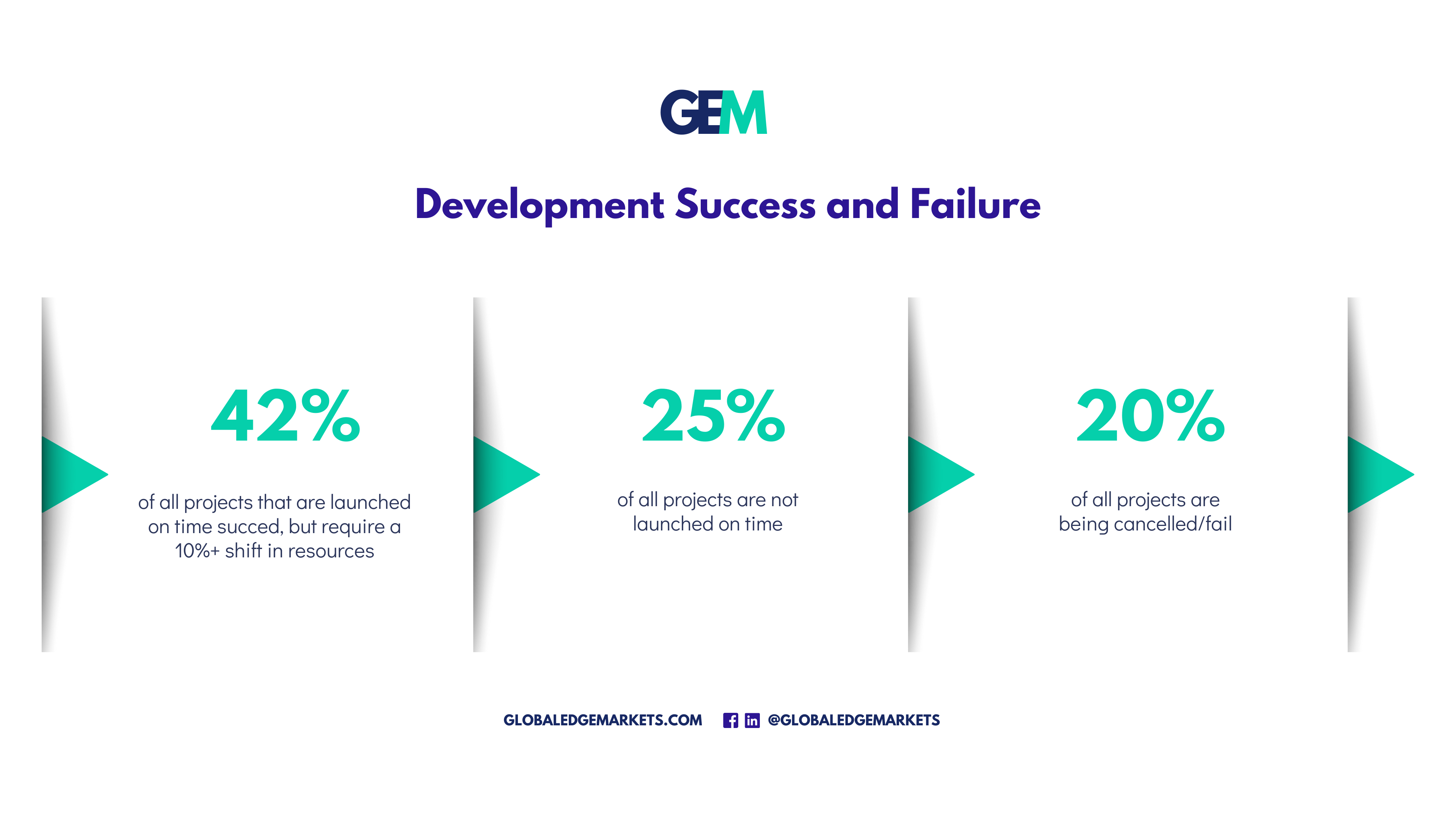
However, various studies have shown that the failure rate of new products can be high. According to a study by the Boston Consulting Group, the failure rate of new products can be as high as 95%. Another study by Innosight found that the failure rate of new products is even higher in larger companies, with as many as 30% of all products being withdrawn from the market each year.

That being said, it’s also worth noting that success can be achieved even if a product isn’t an immediate commercial hit. For example, a product that is initially released with limited success can still be improved and eventually gain traction in the market. Additionally, the success of a product can also be measured in terms of the impact it has on the market or the knowledge gained through its development, even if it doesn’t become a commercial success.

from our blog

Related Posts

Frequently Asked Questions

1 How does GlobalEdgeMarkets incorporate AI into product launch and monetization strategies?

GlobalEdgeMarkets leverages AI for acceleration and data-driven insights to achieve measurable ROI. This approach is integrated into broader digital transformation efforts, supporting product development and monetization strategies.

2 How can businesses begin assessing their product launch and monetization needs with GlobalEdgeMarkets?

Businesses can start by utilizing GEM.IQ, which provides six executive diagnostics. These tools help evaluate current readiness and identify the most impactful strategies before committing resources to productization and launch initiatives.