3 Tips for Global UI/UX Design
Globalization is here, and it means an exciting era for design, specifically for design in User Interface and User Experience (UI/UX). How users interact with web design differs across the
At GlobalEdgeMarkets, we perform research and assessment to understand your users and their needs more clearly. We analyze the data and present our findings. Now it is time to execute, and we are able to do so with the quality and dedication of necessary resources.
For your UI/UX Assessment, we evaluate and define user interactions with visual design, interface design, and GUI standards.
We examine and deliver the critical guideline documentation you need to begin optimizing your website or app effectively.
Our usability assessment identifies key problems, and we make recommendations based on actual user behavior.
We share the best ways to improve the usability of your digital product, whether a website or mobile application.
UI/UX (User Interface/User Experience) assessment is important for several reasons:

The UX Design is not particular to only designers. It is rather a teamwork between the Designers, the Engineers, and Product Managers. The trilogy plays and serves to the successful UX design. Our job will be to set the stage with the design and execution of our assessed earlier items and standards and drive the success criteria throughout the team involved, assisting you and the management process.

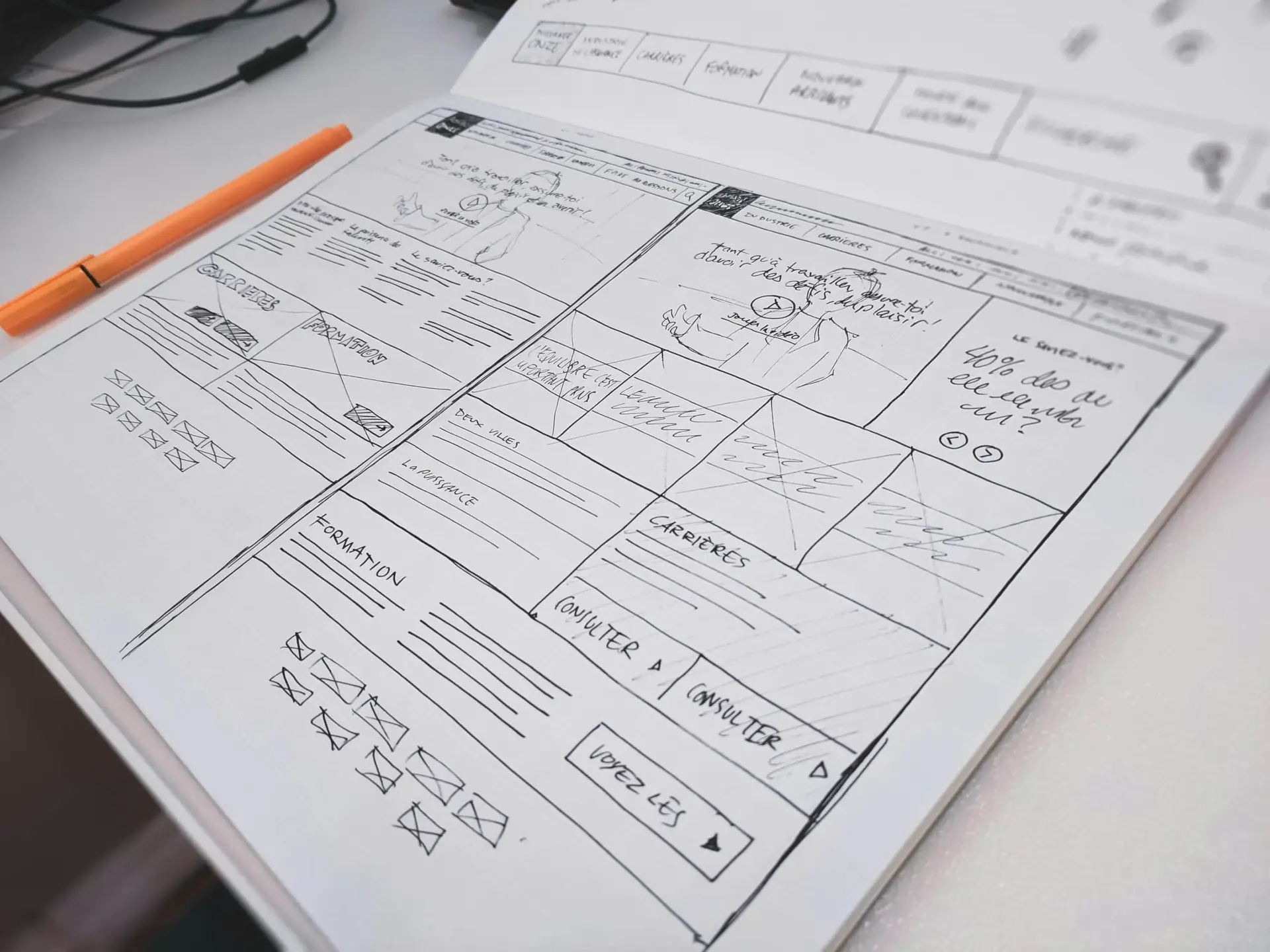
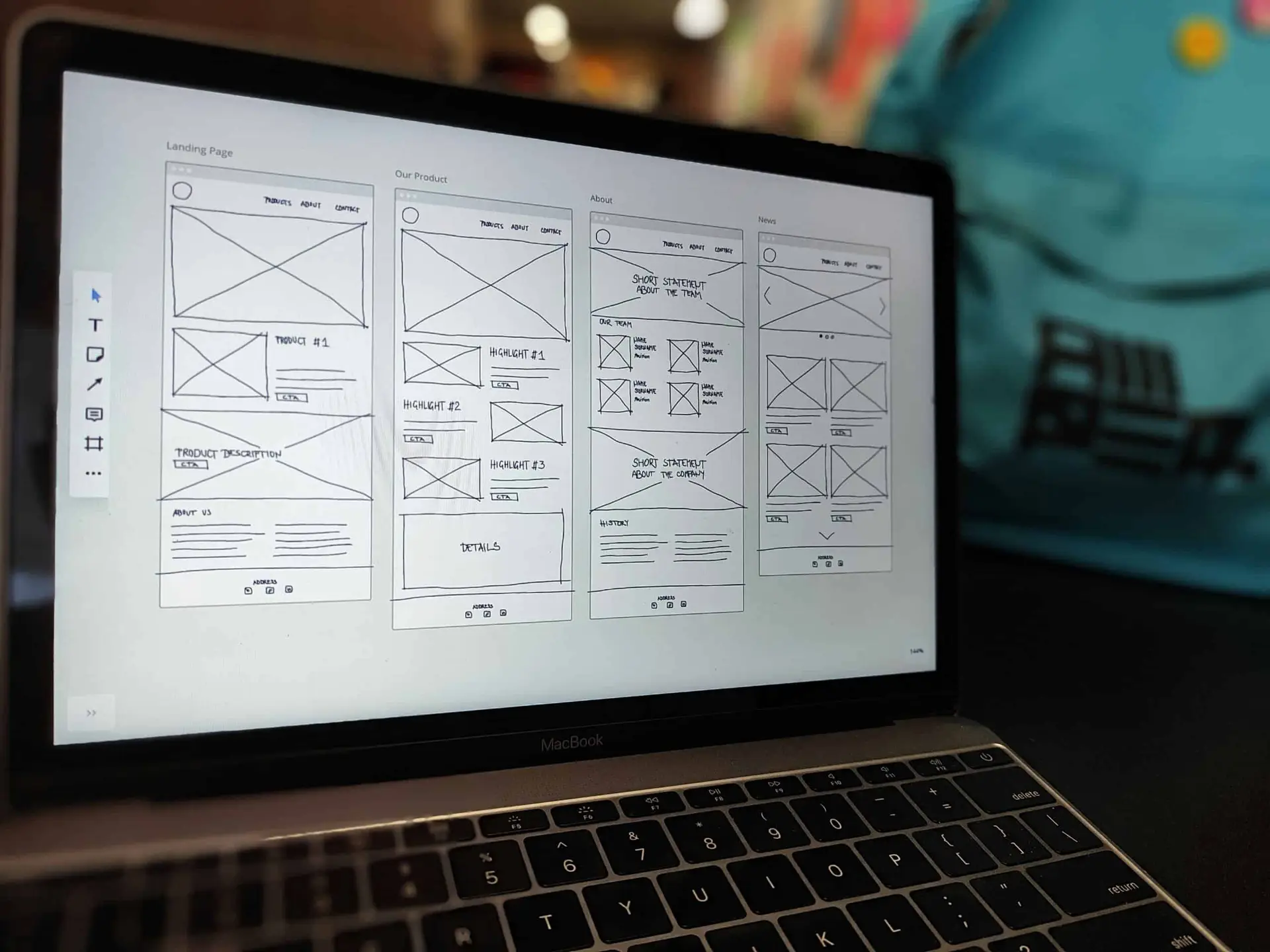
Our approach for every page of the site and platform is, to begin with, the first draft of the design is just to know where actually we’re placing the components of the web page, and its mobile companion.

This step makes sure if the product provides the right experience or not. We may have to test our assumptions and/or changes with Software Engineering as a partner.

In this step, the model of the design is made and is circulated among the top customers; it is often called UX beta testing. The focus of this stage is to create awareness about the product/function/feature and mainly to find the shortcomings of the design. Again, this step may be optional and on-demand only.

This step focuses on validating the product with different elements. The customer feedback is received and validated, and the report for the Revision is made. Again, on occasion, we may implement this upon demand and need.

This is the last step where our UX designers see if the design is approved and ready for production/market or requires revision and iteration, and in some cases additional testing.
Our UI/UX Assessment is a comprehensive, multi-stage process that combines heuristic analysis, behavior mapping, and interface evaluation. The goal is to uncover performance gaps, usability flaws, and conversion blockers in your current design — and offer a roadmap for optimization.
Here’s what we deliver as part of every assessment:
This structured audit helps product owners, marketers, and developers quickly identify what’s broken, what’s working, and where to improve — all based on user behavior and design logic, not assumptions.
Want to know exactly how your product performs in the eyes of your users?
Our approach for every site or platform starts with a design draft — mapping out component placement for desktop and mobile.
We test assumptions with engineering partners, iterate based on usability results, and produce actionable outputs.
Steps include:
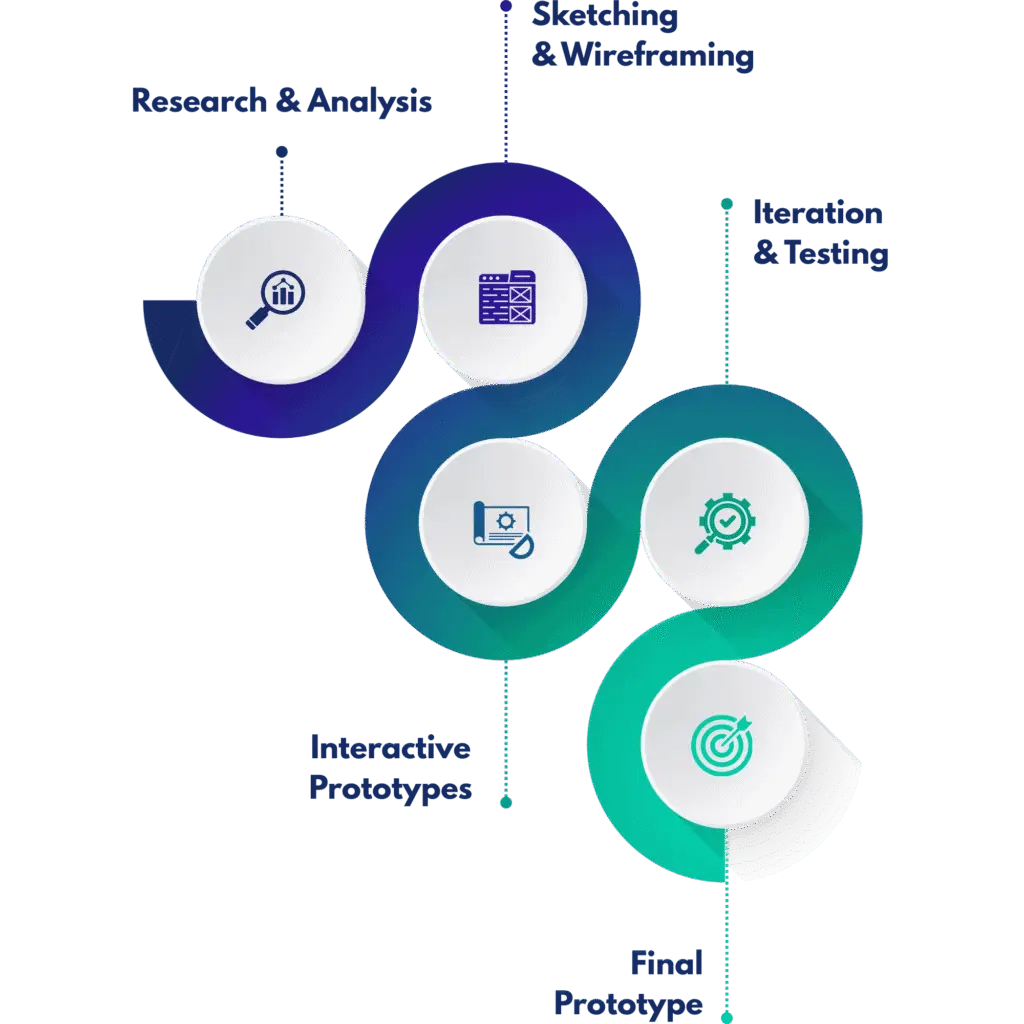
Research & Analysis – define user needs and market trends
Sketching & Wireframing – layout structure and flow
Interactive Prototypes – tools like Sketch, Figma, Adobe XD
Iteration & Testing – gather feedback and refine
Final Prototype – high-fidelity version ready for development handoff
Once prototypes or interface changes have been tested through user interactions, we move into the validation phase. This is where we ensure that all assumptions made during the design process are tested, verified, and aligned with both user expectations and business goals.
Collecting structured feedback from real users (internal or external)
Cross-checking usability metrics against initial UX pain points
Evaluating whether the design fulfills the intended purpose
Performing A/B testing when appropriate to compare design options
Gathering performance data (e.g. time-on-task, success rate, error frequency)
In this phase, we also collaborate closely with stakeholders to analyze the qualitative and quantitative outcomes and determine what aspects of the UX need refinement.
If major gaps are found, we initiate a targeted revision loop — updating wireframes, interface elements, or microinteractions based on the data. This ensures your product doesn’t just “look better,” but performs better.
Once the design passes validation standards, we move to finalization:
This step helps stakeholders answer:
“Is our UX really ready for production and market exposure?”
The goal is to give you a confident, validated, and actionable UX foundation, where every click, scroll, and tap has been thoughtfully optimized — and the user experience is truly ready to scale.
A typical UI/UX assessment includes a visual design review, usability testing, heuristic evaluation, interface consistency analysis, behavior tracking, and a report with actionable recommendations. At GlobalEdgeMarkets, we tailor this process to your business goals and user needs.
UI/UX optimization reduces user friction, clarifies navigation, and streamlines key flows (like onboarding or checkout). This improves the overall user journey, leading to higher engagement, trust, and conversion rates. Many clients report a 20–40% boost after UX improvements.
Consider a UX audit if:
Your bounce rate is high
Users abandon key flows
Your product is evolving
You’re preparing a redesign or relaunch
You’re receiving negative feedback about usability
A UI/UX assessment helps you proactively fix these issues before they impact growth.
We use tools like Google Analytics, Hotjar, Crazy Egg, Figma, Adobe XD, and accessibility checkers (e.g., Axe, Lighthouse) to analyze user behavior, track interactions, and test design ideas during the audit process.
Yes. For startups, a UX assessment helps you validate your product’s usability and identify critical user issues early. It reduces the risk of launching features that confuse or frustrate users, and it sets a strong foundation for scaling.
The typical timeline ranges from 4 to 6 weeks, depending on the size and complexity of your platform. We offer express audits, standard assessments, and deep-dive optimization packages tailored to your timeline.
We recommend involving your product or development team, especially in later stages, to help implement changes efficiently. However, we can conduct the full assessment independently and provide a handoff package for implementation.
Simply reach out via our contact form to schedule a free discovery call. We’ll evaluate your goals, scope the project, and recommend the best approach for your UI/UX needs.

Globalization is here, and it means an exciting era for design, specifically for design in User Interface and User Experience (UI/UX). How users interact with web design differs across the

As an eCommerce business owner, you want your customers to have the ability to easily navigate your website and hopefully make a final purchase. Online shopping is meant to be
Learn how information architecture (IA) can enhance user experience (UX) on a website. Discover research-backed tips to improve your IA and UX.